
After 1,000+ cars, one thing is clear; every vehicle and every customer is different.
The condition can vary a lot, and so can expectations. What one person considers a mild detail, another person thinks should feel like a deep cleaning. Over time, the focus has been getting better at lining up the way we believe a detail should be done with what customers realistically want, what fits their schedule, and what feels fair for the price.
High standards still matter, but they also take time. Early on, it was easy to keep pushing deeper on every job because there is always something else that could be improved. Another pass, another spot, another little area most people would never notice. The truth is most customers want a strong, noticeable result that makes the car feel clean again without the appointment turning into an all-day project. That is where experience helps. The process gets tighter, the workflow gets more efficient, and the quality stays high without getting stuck chasing perfection.
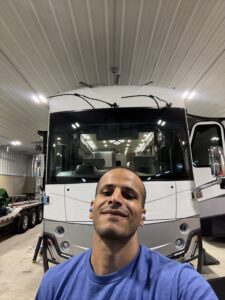
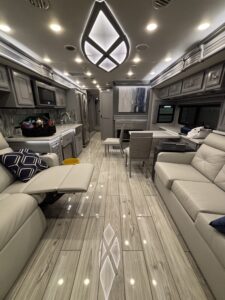
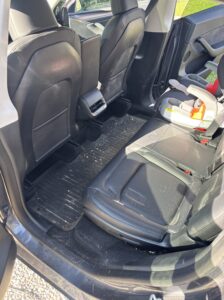
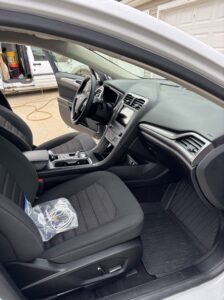
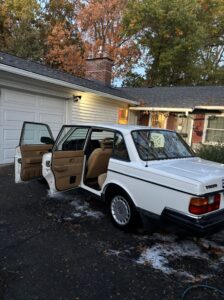
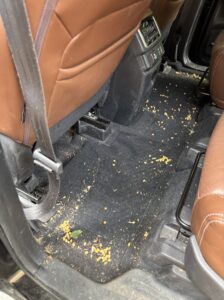
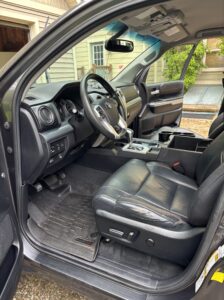
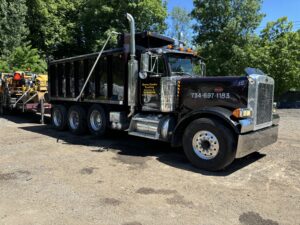
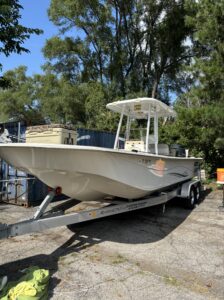
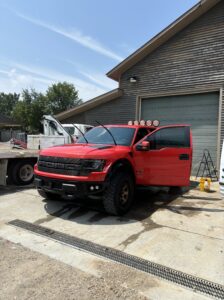
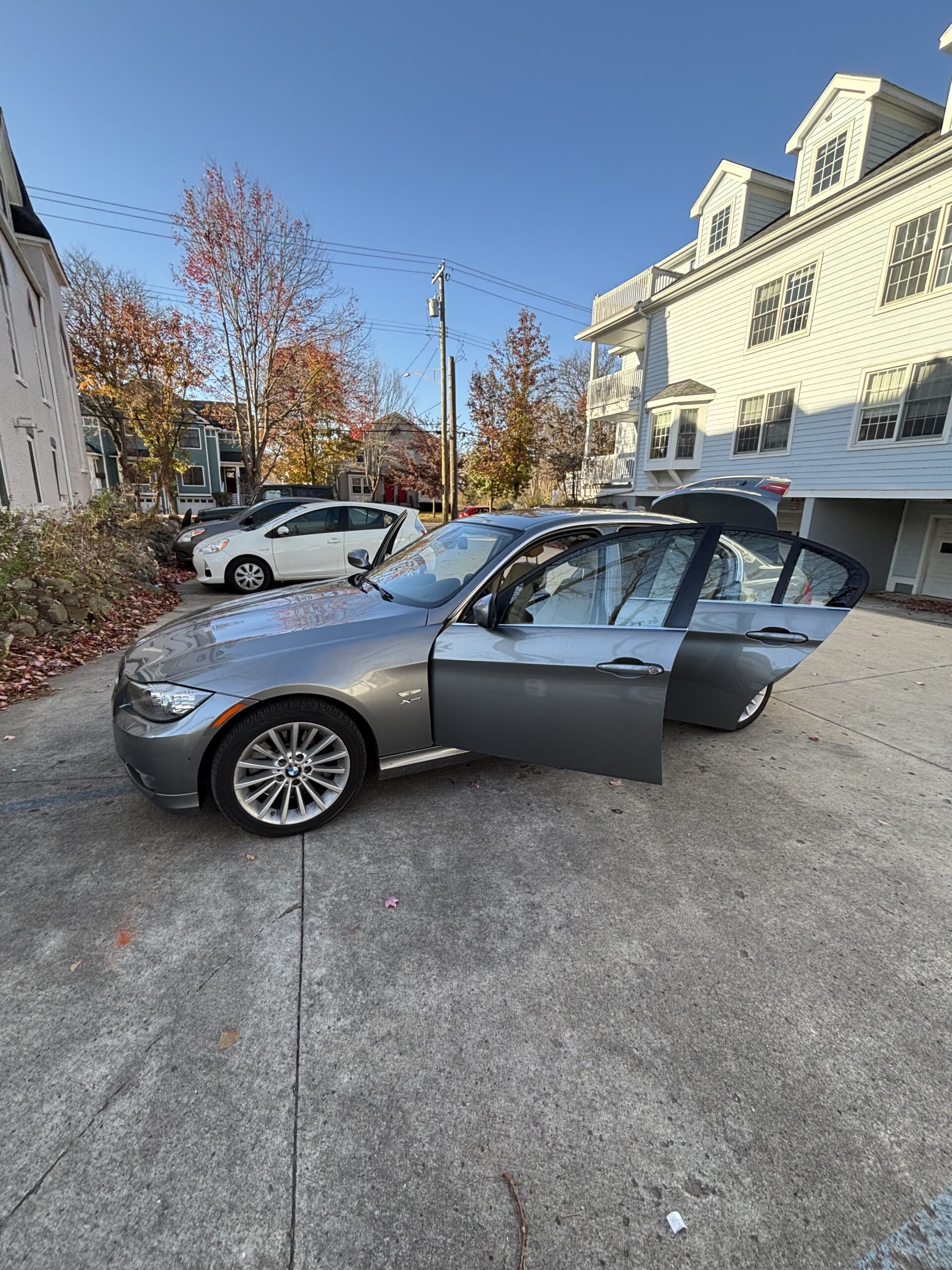
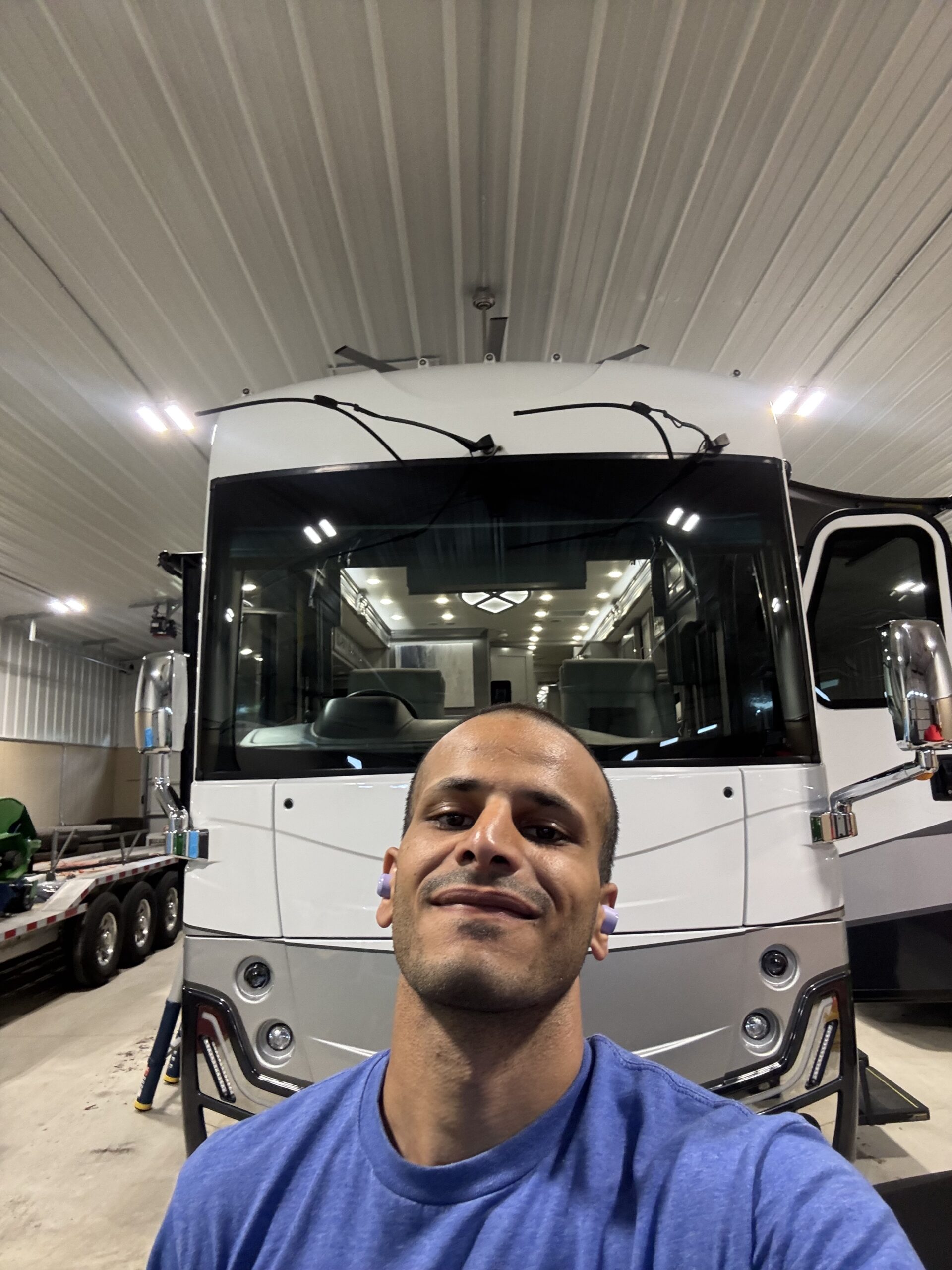
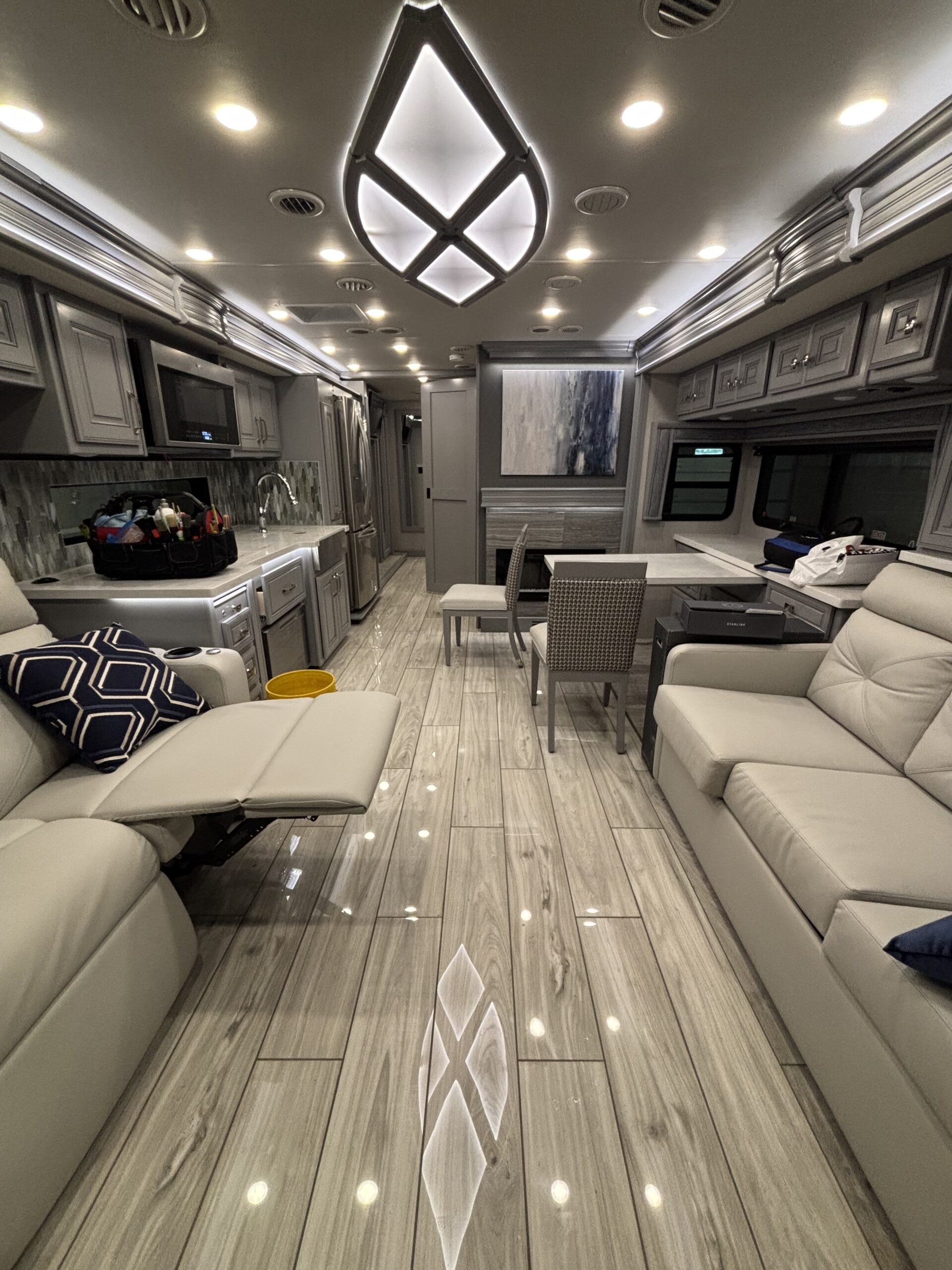
Some vehicles just take more effort than expected. Minivans are usually the toughest because family cars collect everything. Crumbs, sticky spots, tight gaps, and wear that builds up over time. Older vehicles take longer as well. There have also been plenty of curveballs over the years, like boats, RVs, dump trucks, sports cars, and motorcycles. Those are fun once in a while because they force new techniques and make the skill set better. But the jobs that are most enjoyable are still the normal ones, a thorough 2 to 3 hour detail on a family car. It is not flashy, but it is real work that makes a big difference.

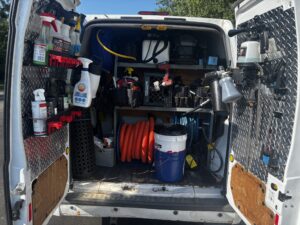
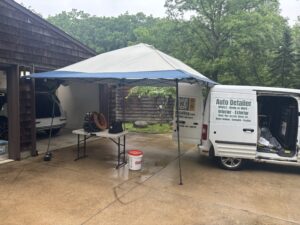
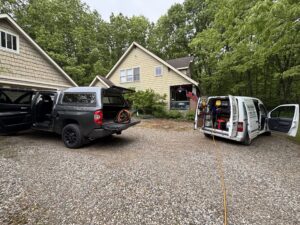

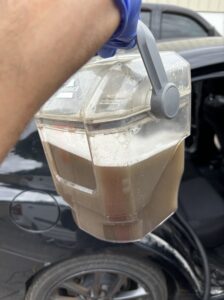
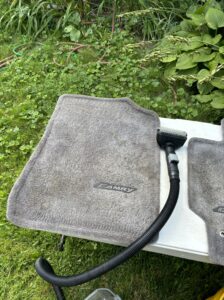
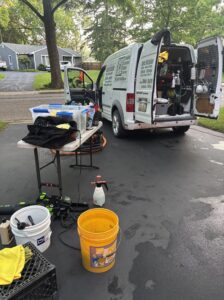
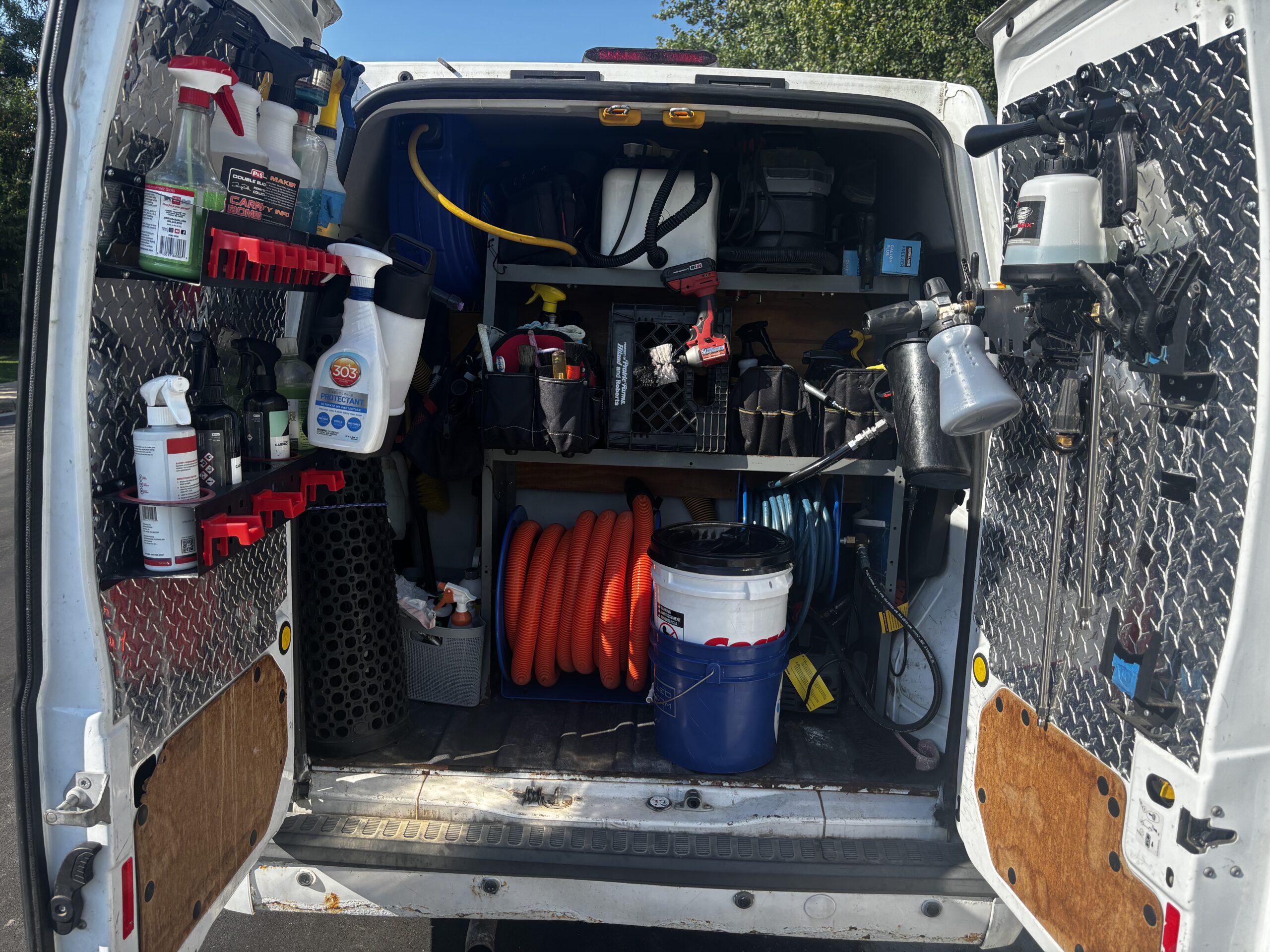
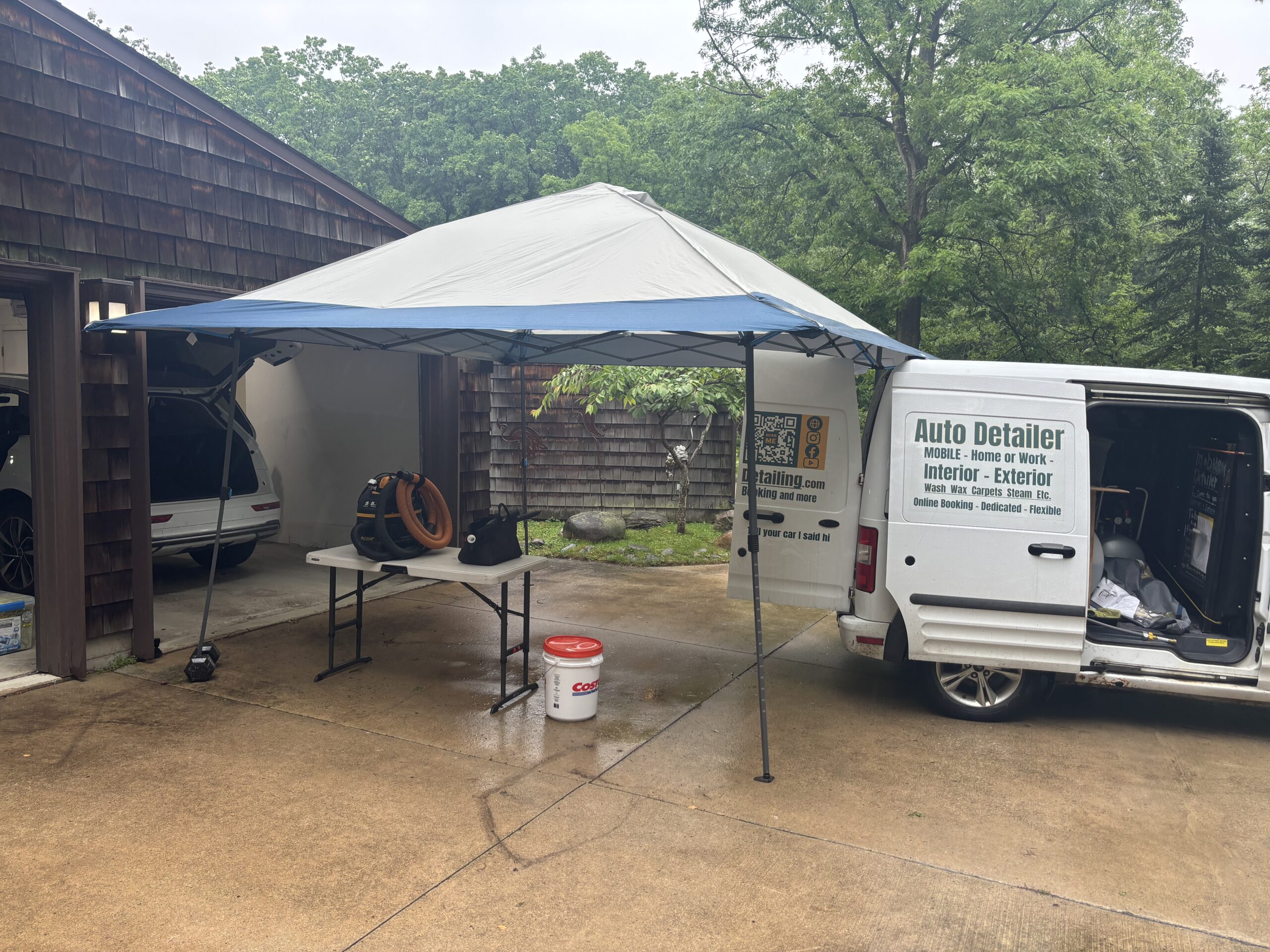
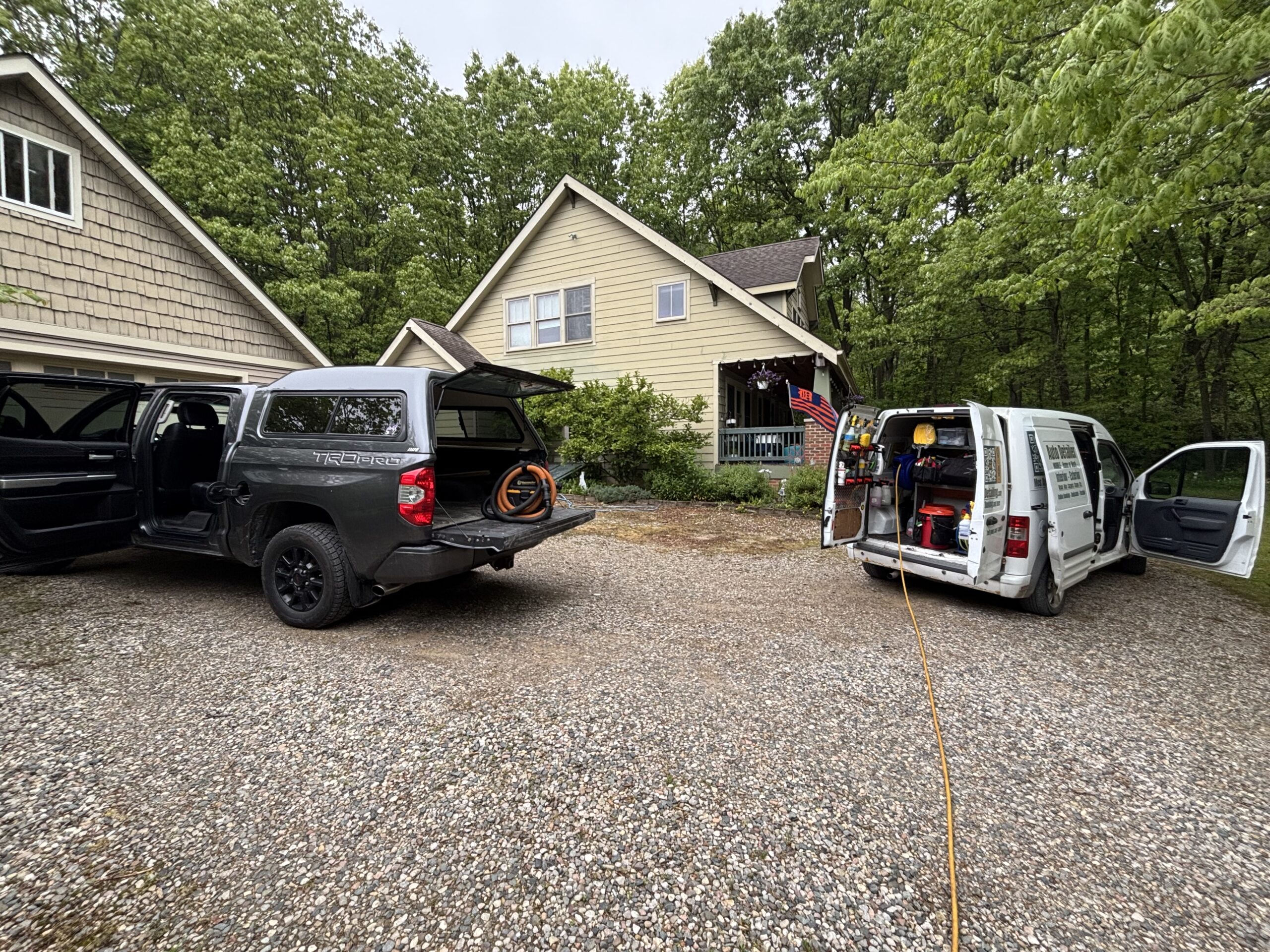
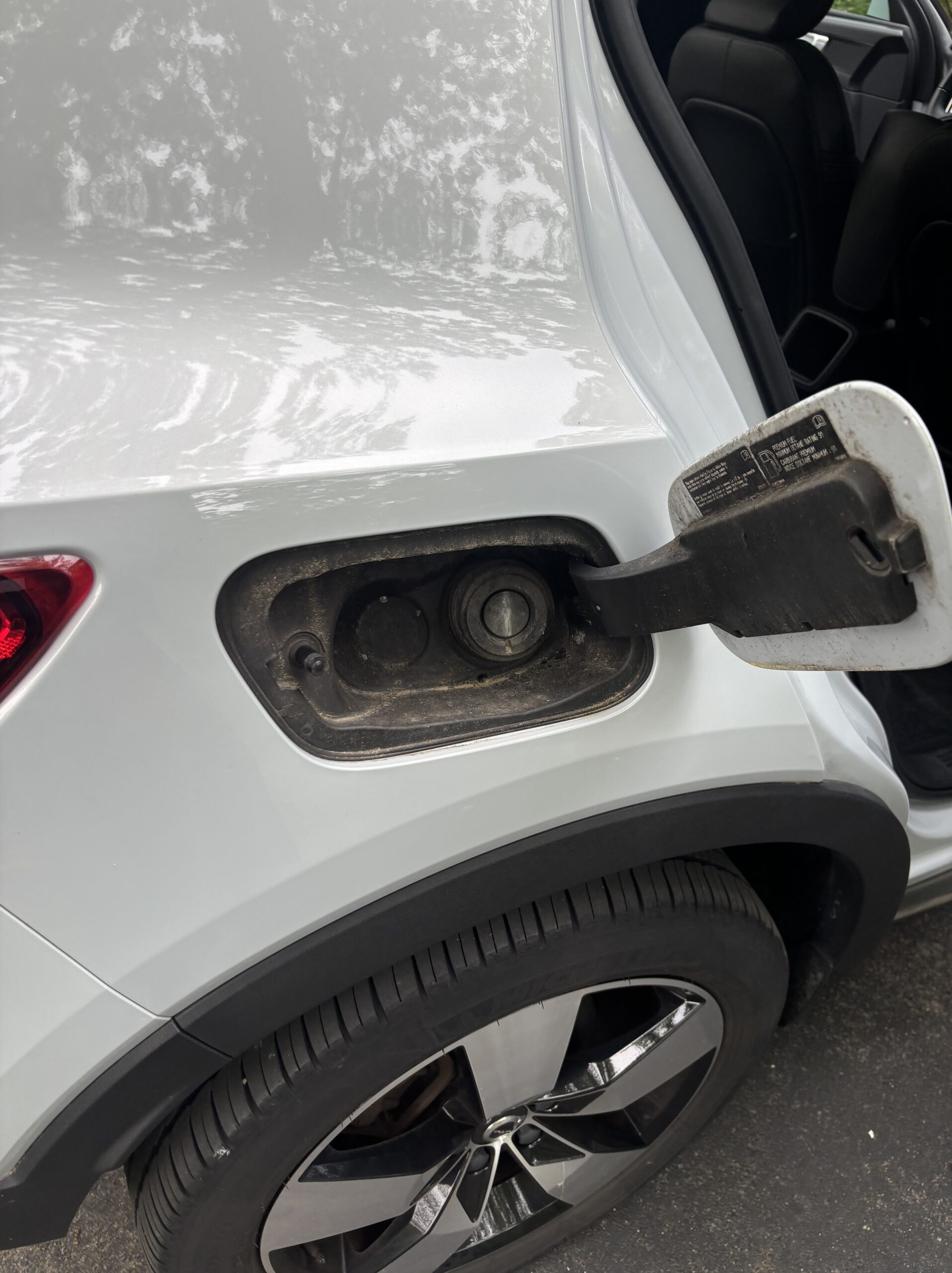
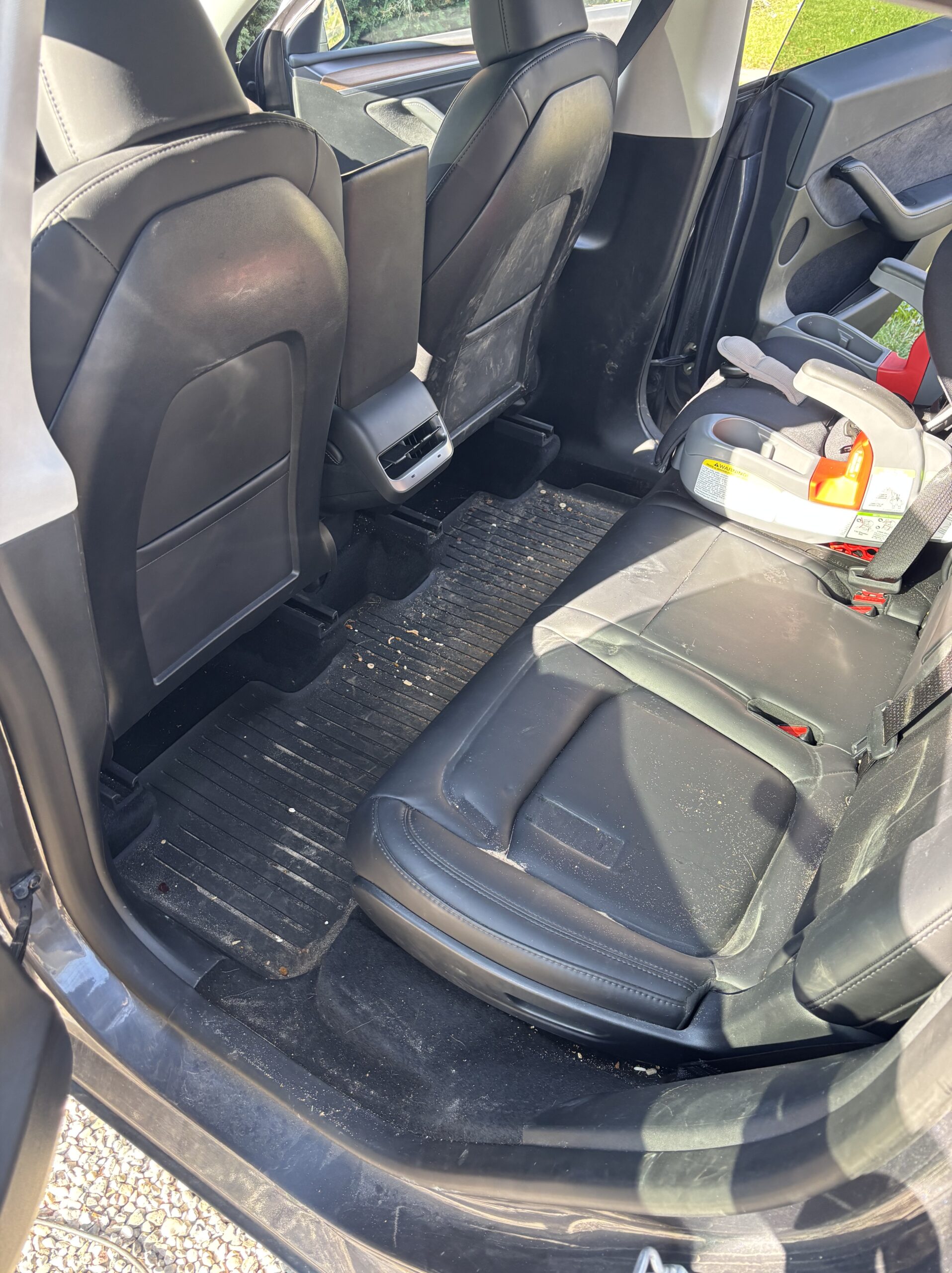
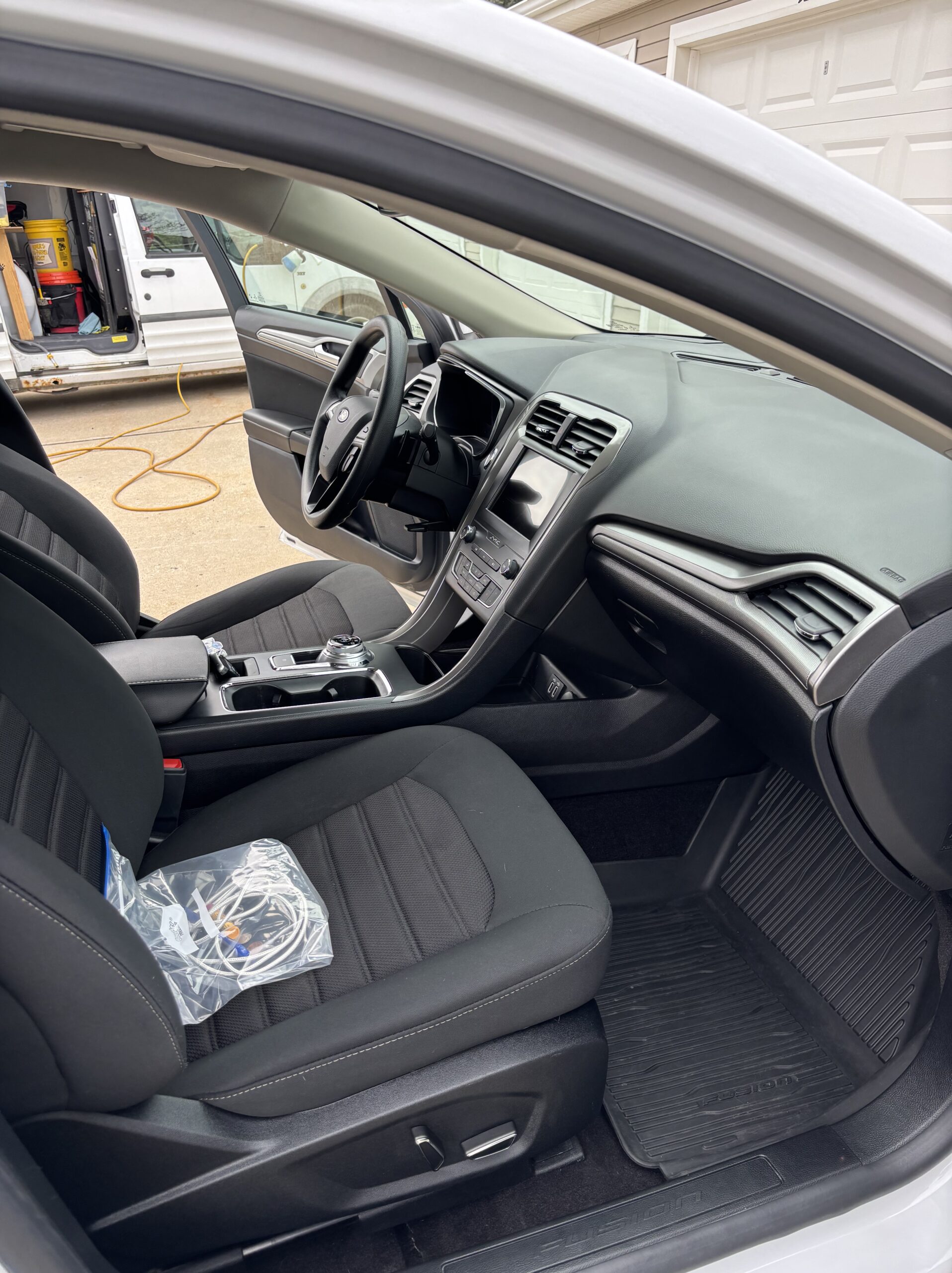
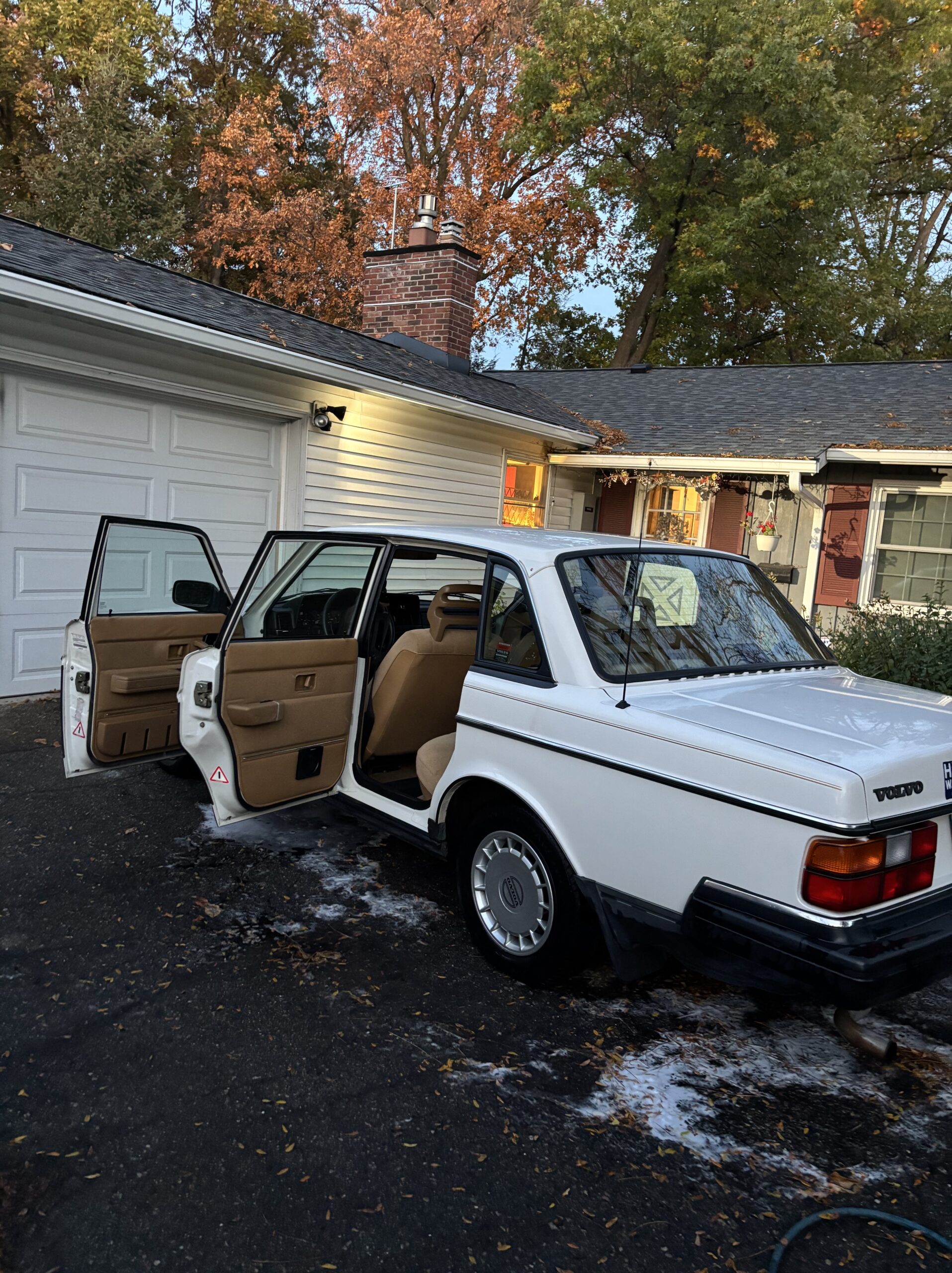
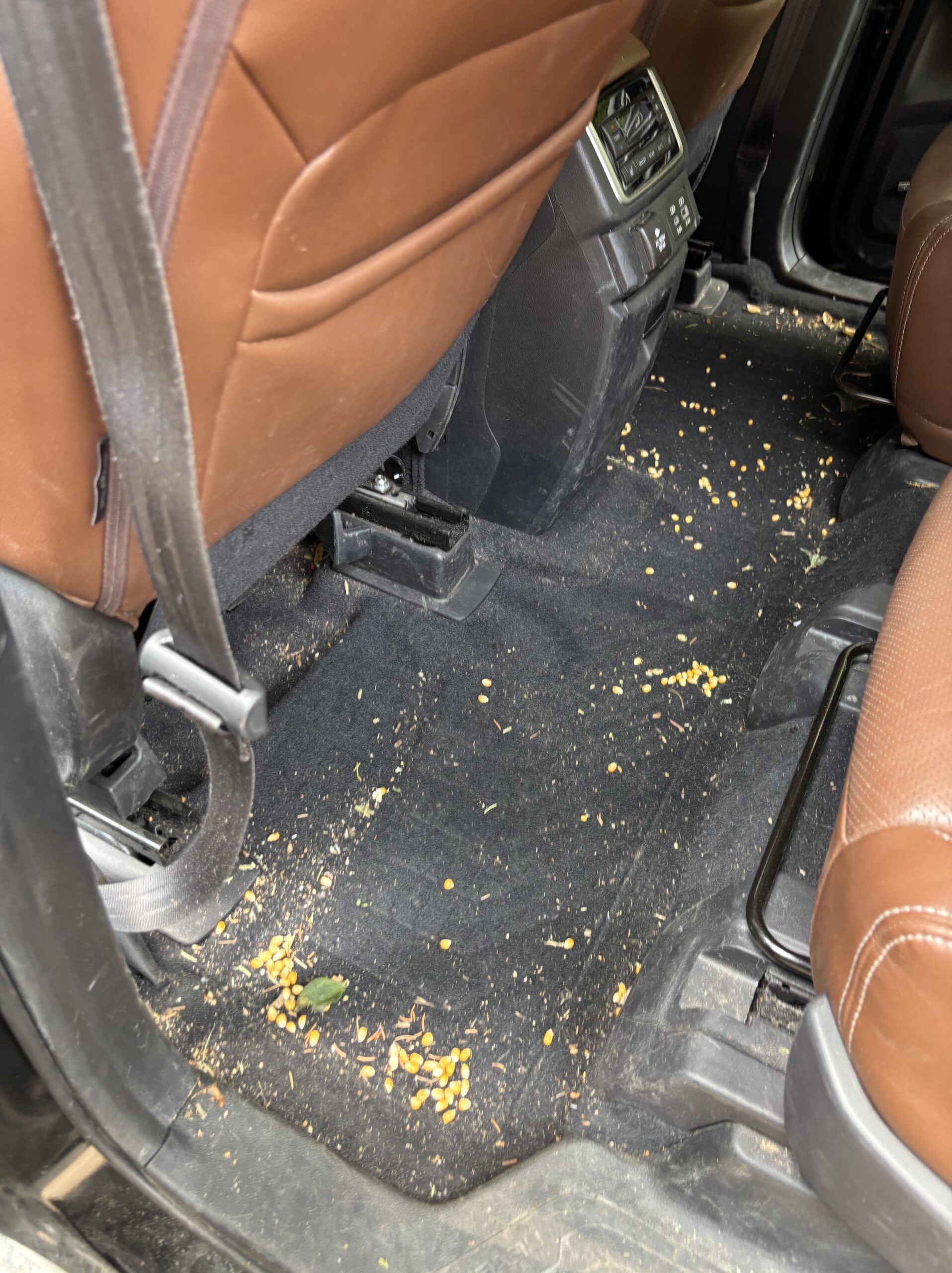
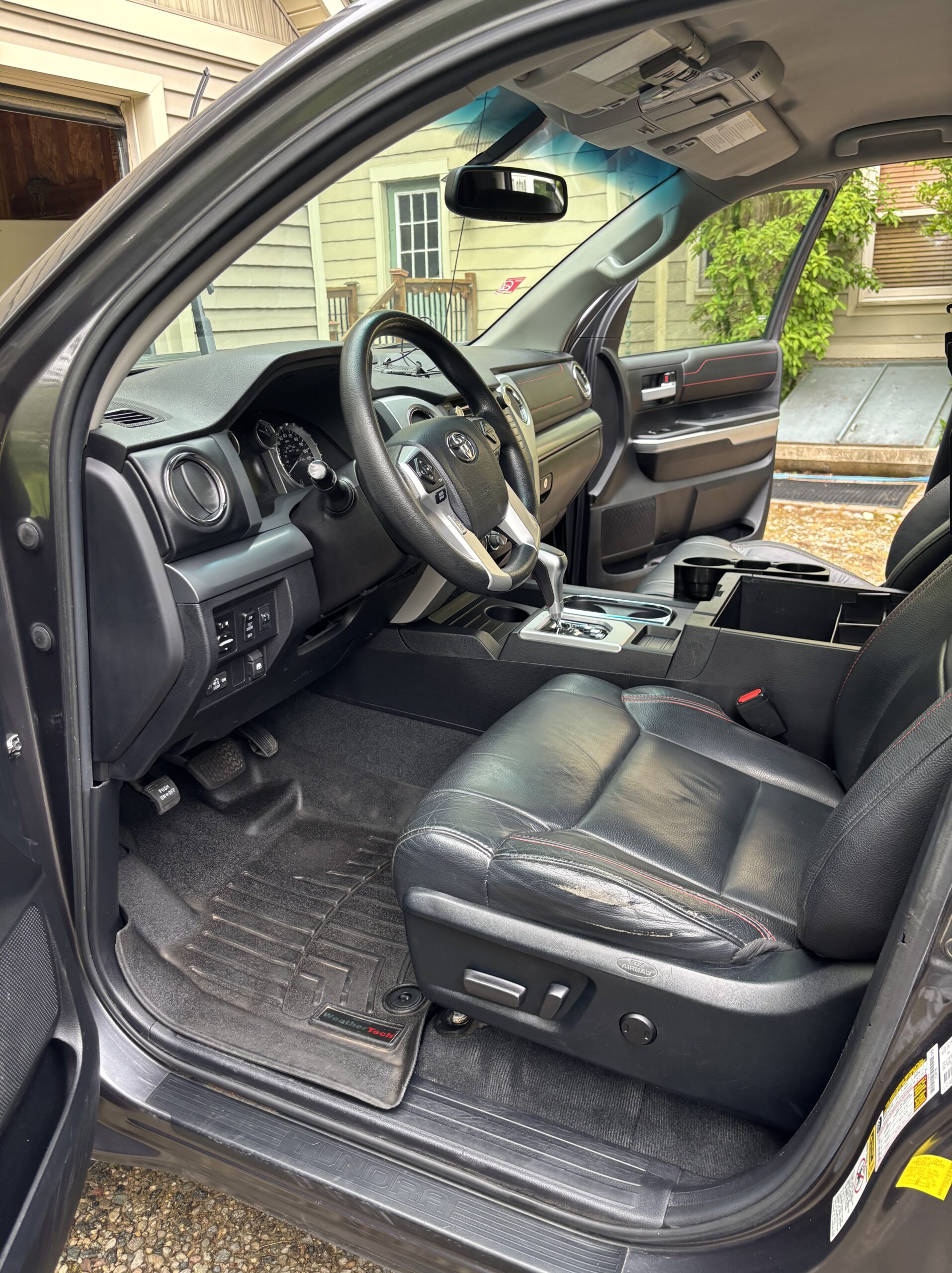
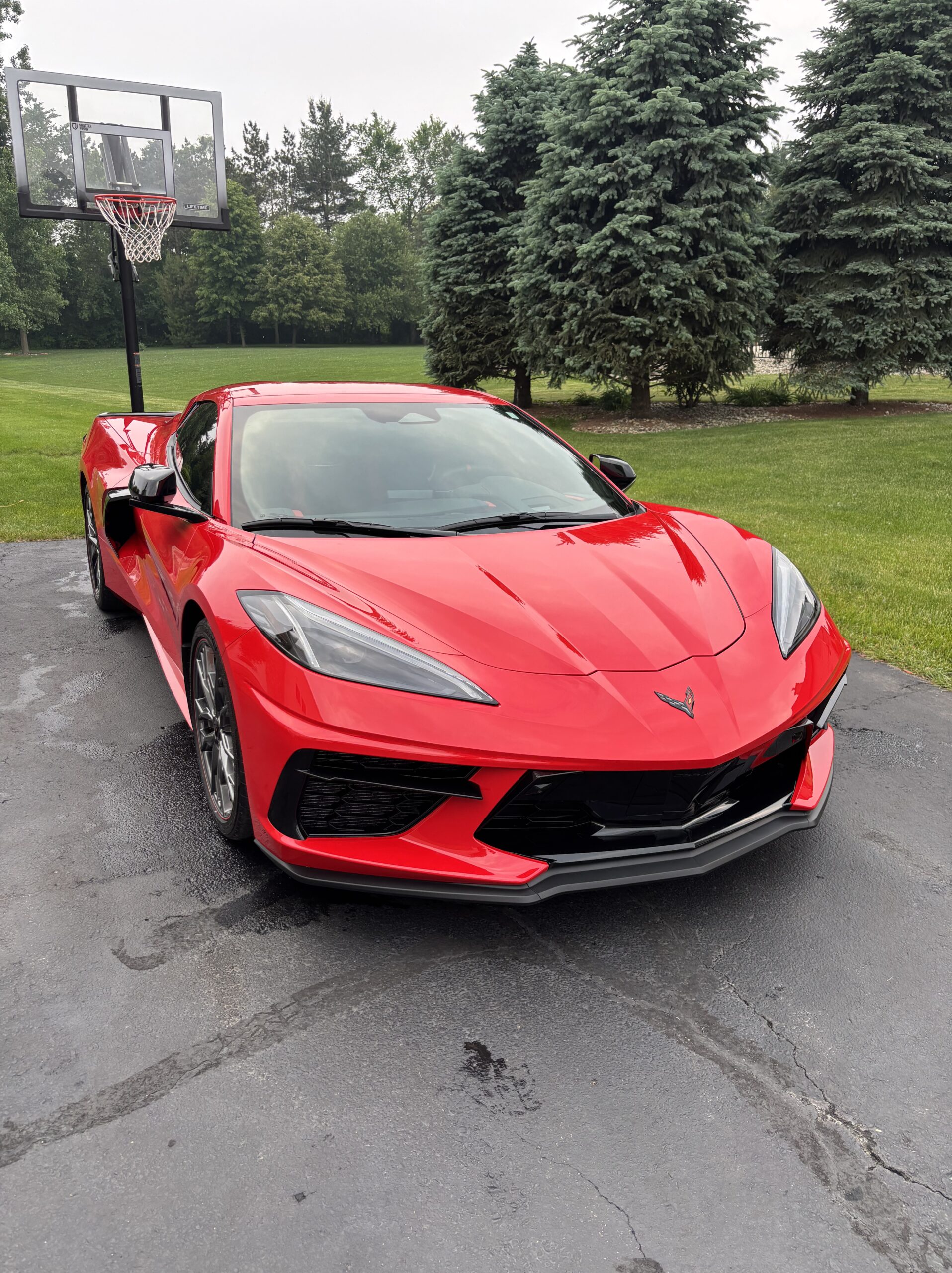
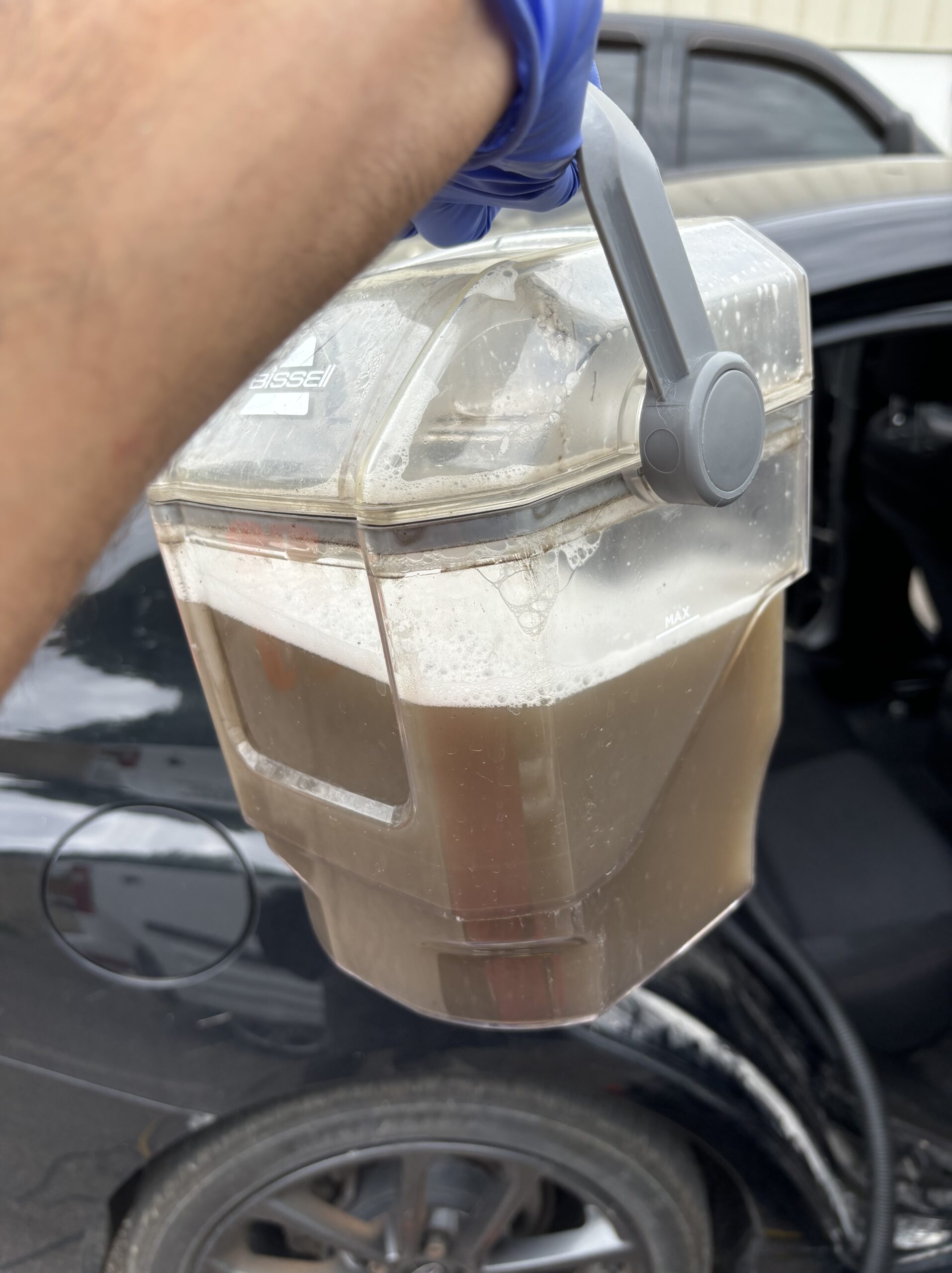
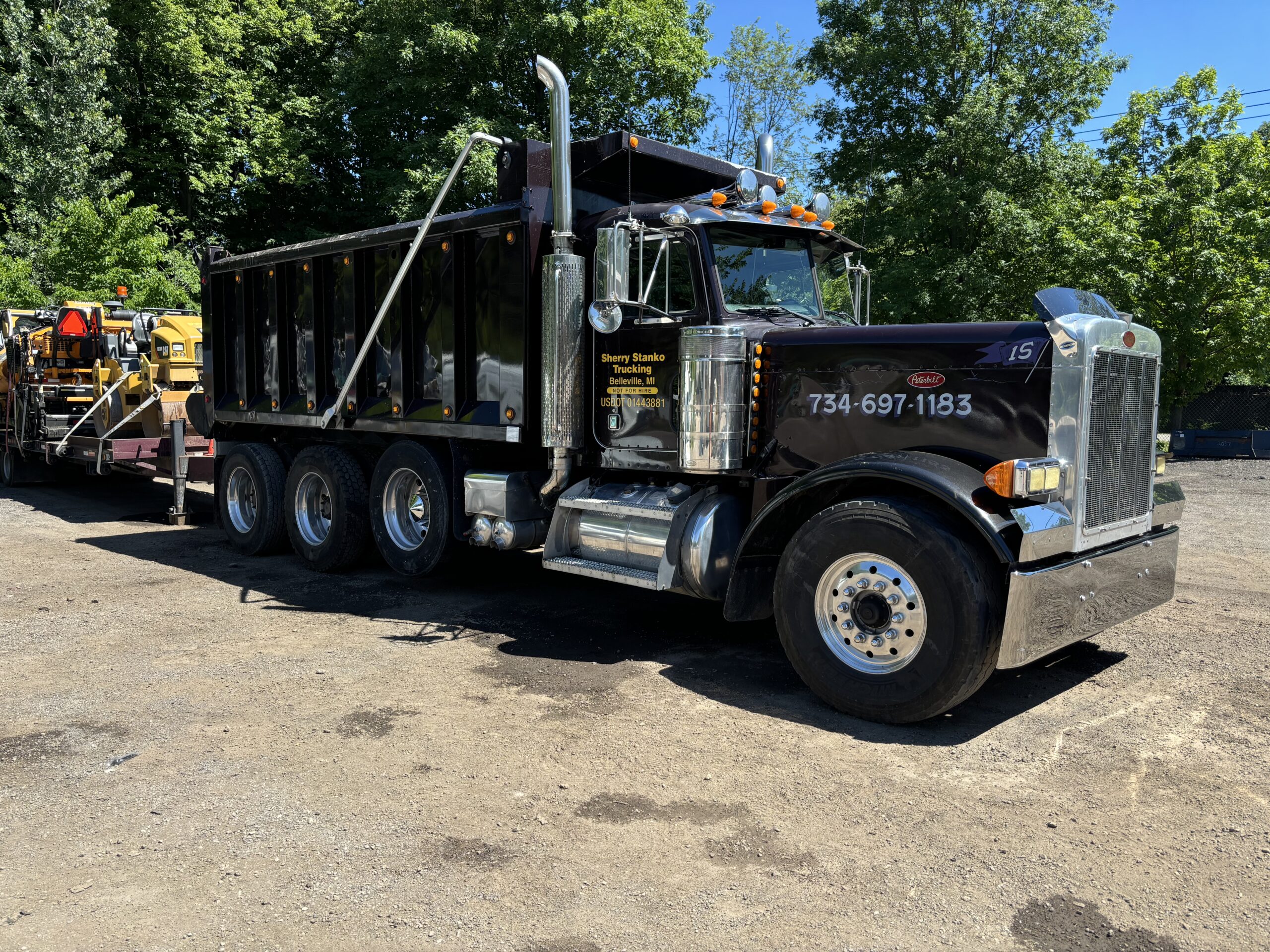

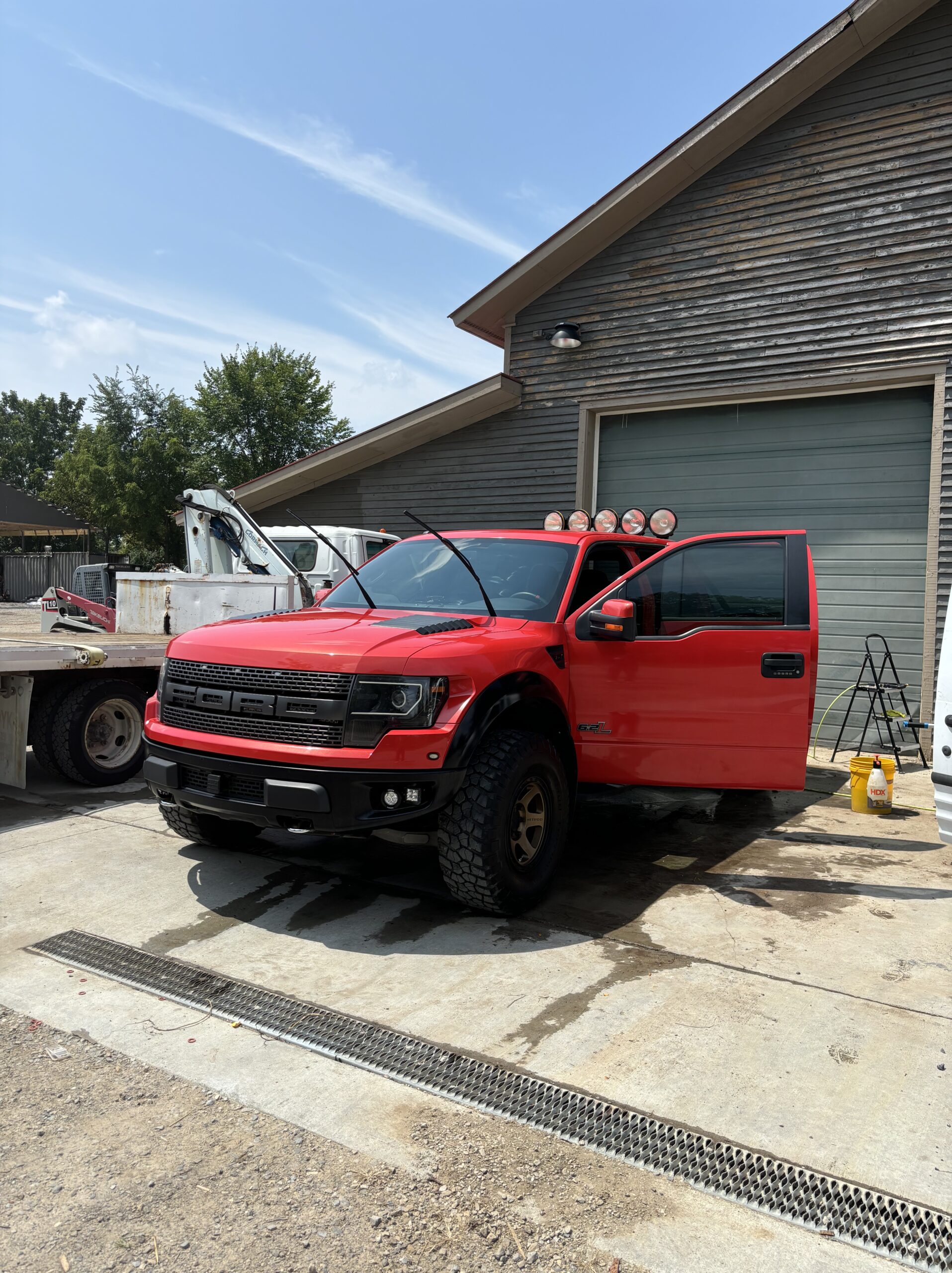
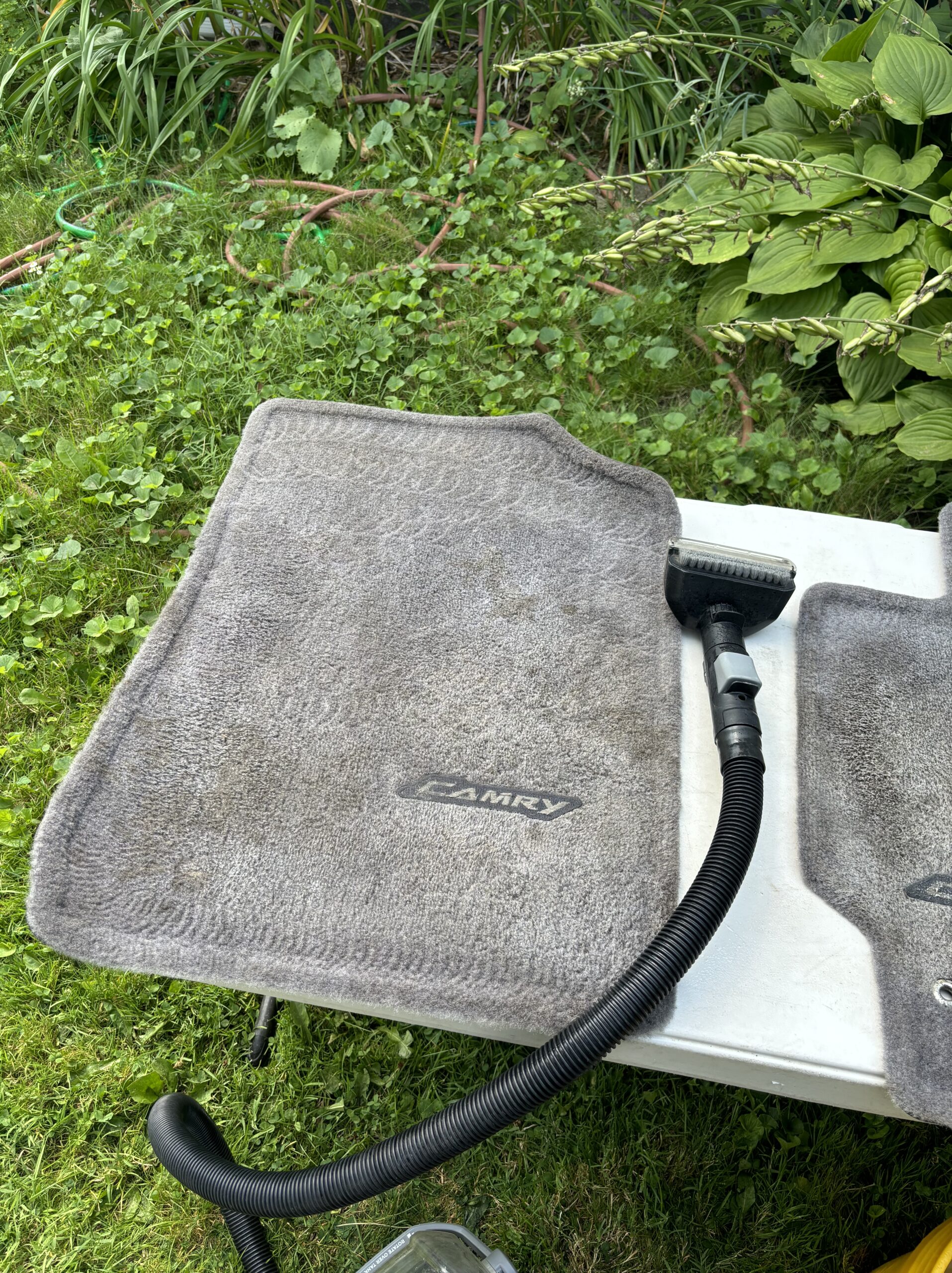
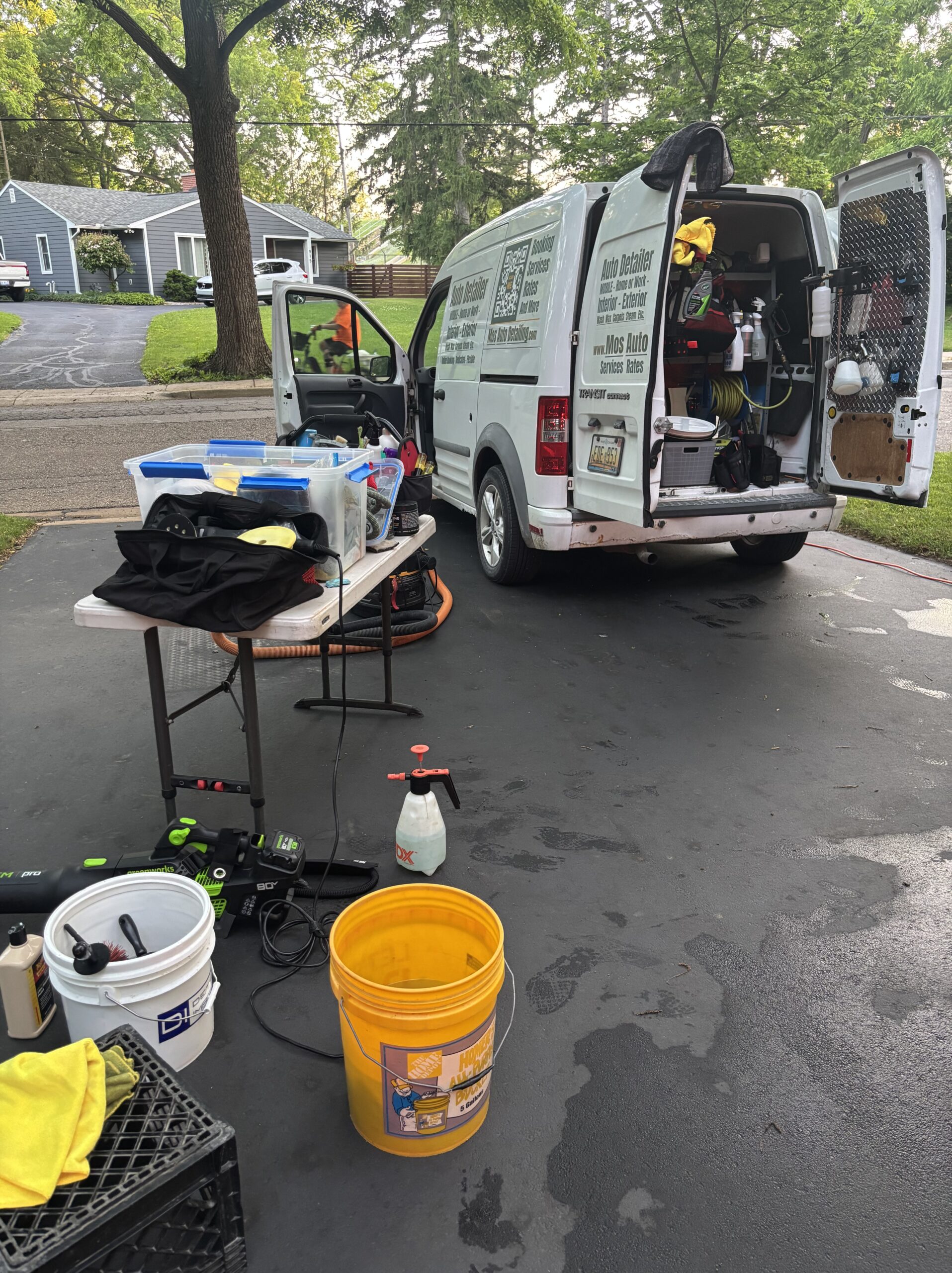
A big part of getting better has been upgrading the setup and tightening the process so the work is faster without losing quality. The van is fully self-contained now , with better tools and smarter workflow make a real difference. All equipment is powered onboard with remotes and hoses on reels. I’ve also upgraded all my tools to be setup with quick connects. Read up more about it on the “What’s inside a detailing Van” post. Using the right vacuum and attachments for each surface, compressed air for the tight areas, an extractor and steamer for deeper interiors, and spot-free water for clean exterior finishes cuts down on rework and speeds up drying. Non equipment related improvements are been learning what order to do things in, what products work best for different materials, and how to stay efficient while still being thorough where it counts.
One of the biggest changes has been learning where to draw the line so the time, price, and results make sense for most people. The approach has shifted from trying to hit near perfection on every single detail to focusing on the areas that create the biggest impact. That actually matches customer expectations better and keeps the service consistent, allowing for more bookings on a typical day. details. Nobody wants a rushed job, but nobody wants a never-ending one either. Trust me, I understand.
This is why customer satisfaction is important and clear communication between client and detailer is heavily encouraged by Mo’s Auto Detailing.